In this article, we define organizational culture, describe the types of culture common in companies and offer tips to improve the workplace environment. Essay # definition of culture:
Organizational Culture Types Pearltrees

Organizational culture is the set of underlying beliefs, values, principles, and ways of interacting within an organization.
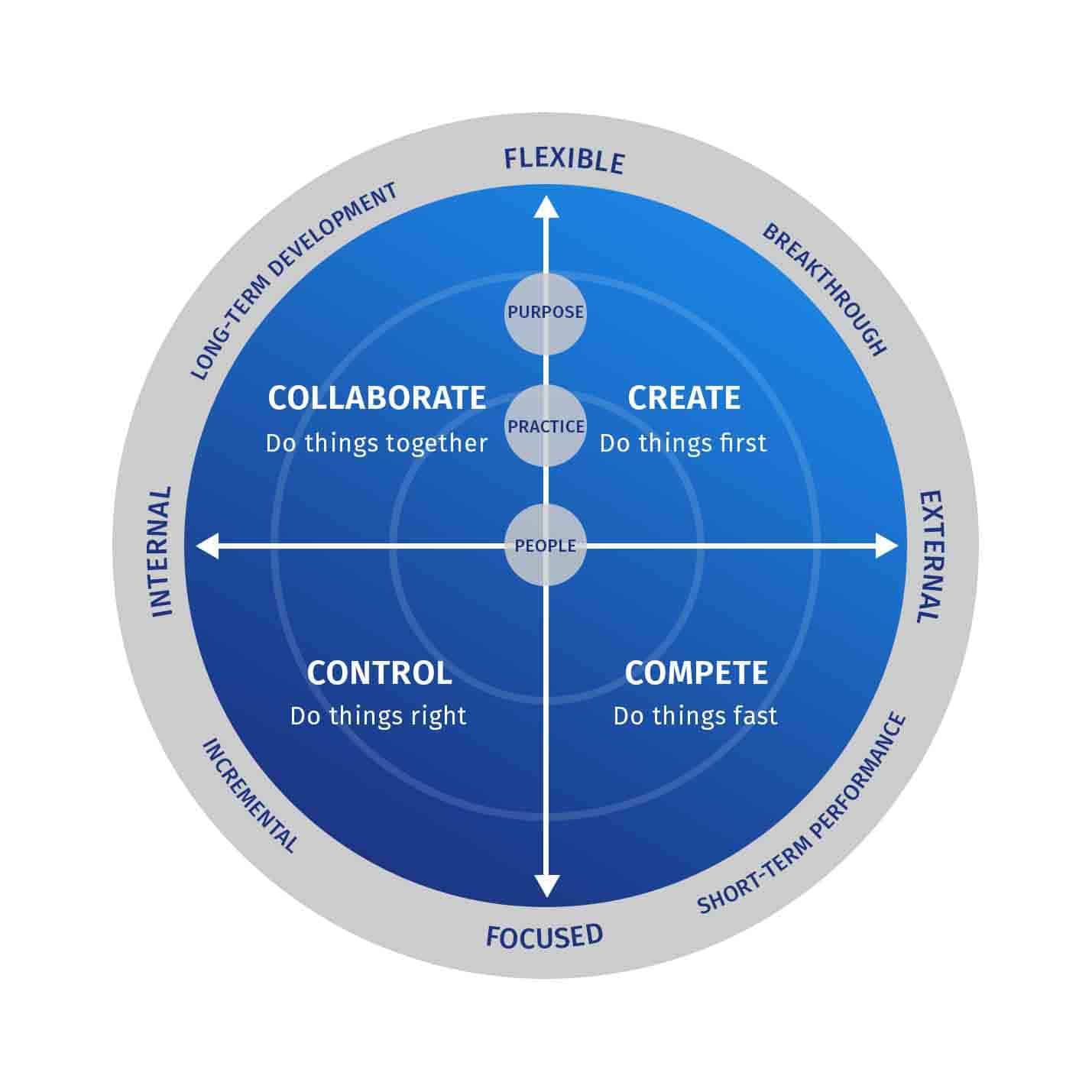
Culture definition and types. Taylor, “culture as that complex whole which includes knowledge belief, art, morals, law, custom and any other capabilities and habits acquired by man as a. 4 types of organizational culture. Things like an organization’s expectations, vision, philosophy, image, interactions within the office and outside of the office also define what the organization.
Culture is a word that explains a broad range of human behavior. The first thing that might come to mind when one thinks about different types of cultures is how they vary based on social organization: Culture is the characteristics and knowledge of a particular group of people, encompassing language, religion, cuisine, social habits, music and arts.
The first type, called nonmaterial culture, includes the values, beliefs, symbols, and language that define a society. Corporate culture is the norms, practices, and values created by an organization over time. John spacey, december 13, 2016.
Organizational culture is a system of shared assumptions, values, and beliefs, which govern how people behave in organizations. Corporate culture develops over a long period of time and guides the company's working for a long time to come. Culture means simply the “way of life” of a people or their “design for a living.”.
Culture is a way of life. Culture is defined by various personalities in a number of ways: Drinking, eating, dressing, walking, behaving, reading are all learnt by man.
Culture (/ ˈ k ʌ l tʃ ər /) is an umbrella term which encompasses the social behavior, institutions, and norms found in human societies, as well as the knowledge, beliefs, arts, laws, customs, capabilities, and habits of the individuals in these groups. Humans acquire culture through the learning. To be useful, the medium must hold all the nutrients the microorganism.
Culture assessment includes analyzing an organization’s expectations, experiences, philosophy as well as the values that guide member behavior in an organization. Culture is a term that refers to a large and diverse set of mostly intangible aspects of social life. “culture is the complex whole which includes knowledge, belief, art, morals, law, customs and habits and any capabilities acquired by man as a member of society”.
The second type, called material culture, includes all the society’s. External focus and differentiation, and (2) flexibility and discretion. From a list of 39 attributes, the researchers identified two key polarities:
A culture medium is a solid or liquid preparation utilized to grow, transport, and store microorganisms. Kluckhohn and kelly define it in his sense”, a culture is a historically derived system of explicit and implicit designs for living, which tends to be shared by all or specially designed members of a group.”. Culture is often originated from or attributed to a specific region or location.
Cameron of the university of michigan investigated the qualities that make businesses effective. Definition of culture different sociologists have differently defined the term culture: Ideas and symbols on the one hand and artifacts (material objects) on the other.
It is not an inborn tendency but acquired by man from the association of others, e.g. Explore the definition of corporate culture, different types of corporate culture, and examples of each. It defines and creates a unique environment to work in.
Culture assessment is defined as a process of tinkering that helps organizations differentiate between ideal culture and real culture. A company first starts working with its mission and values. Similarly, people who share the values of the company get attracted to it.
It then recruits people to support its mission. The nutrient preparation on or in which a culture (microorganism) is grown in the laboratory is known as culture medium or culture media. Understand the definition of a political culture, and explore the theories, the types, and examples of political culture across the world.
As this definition suggests, there are two basic components of culture: According to sociologists, culture consists of the values, beliefs, systems of language, communication, and practices that people share in common and that can be used to define them as a collective. [noun] a viable culture of an organism that is directly descended from the strain or isolation on which the original description of the organism is based.
In the past, culture was typically associated with a civilization, nation, society, group or place. The center for advanced research on language. Culture is not inherited biologically but it is leant socially by man in a society.
These ideals form the backbone upon which many different cultures are. Many different cultures exist within the workplace and organizations often embody more than one type as they function within a set of values and expectations. Culture also includes the material objects.
(1) internal focus and integration vs.