An autocratic leader possesses a high level of power and authority and imposes its will on its employees. Leadership pursues change and challenges the status quo, whereas management seeks to control and provide stability within the existing circumstances.

Lean Leadership Management Meditations on Lean Management
Leadership is about establishing a direction and influencing others to follow.
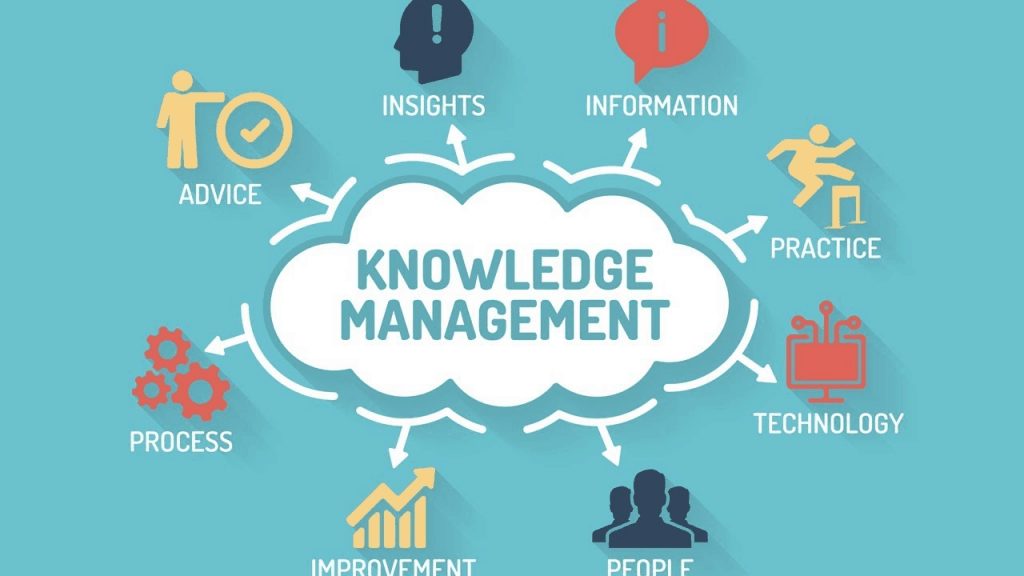
What is leadership in management. Leadership development is an important and a recent issue in the field of management practices. Leaders and managers have one key thing in common: Coaches and builds a team, so that it is more effective at achieving the vision.
Leadership is a process of social influence, which maximizes the efforts of others, towards the achievement of a goal. Basically, it involves developing those qualities and attitudes in managers which help them to look into the future and to bring necessary improvement pertaining to different leadership styles. 2 that is, the practice of using words in one lexical context, in a different form, to describe a related concept.
Vision effective leadership is centered on a vision to guide change. Manages delivery of the vision. The goal of business leadership is to find the leadership model that works best for a particular company and its team of employees.
More importantly, leadership offers ongoing clarity to their teams to ensure that the objectives that align with the strategy are transparent.” many professionals who possess strong leadership skills are also managers, but they don’t necessarily have to be, she adds. One of the classic leadership definitions often recited, “leadership is the quality that sets great managers apart from good ones,” further validates this idea as it is simply an illustration of the lexical concept of polysemy. There is always a need for strong leaders in business.
Management is about successfully administering the many complex details involved in a business’s operations. On the other hand, management controls or directs people/resources in a group according to principles or values that have already been established. The definition of leadership is to influence, inspire and help others become their best selves, building their skills and achieving goals along the way.
A leader is someone who initiates work. Leadership is setting a new direction or vision for a group that they follow — i.e., a leader is the spearhead for that new direction. Leadership is a skill of influencing others while management is the quality of the ruling.
This type of leadership proves to be useful where a close level of supervision is. Leadership demands foresightedness of leader, but management has a short range vision. Here are some points that justify why leadership is so important in regard to management.
How is leadership different from management? Leadership is the potential to influence behaviour of others. Although some leadership and management skills overlap, it's important to know the distinctions between these two roles.
In leadership, principles and guidelines are established, whereas, in the case of management, policies and procedures are implemented. Notice key elements of this definition: Leadership establishes the mission, vision, and strategy of the organization.
They both want what’s best for their team and their company. In most settings, the role of a manager includes both leadership and management functions. You don’t have to be a ceo, manager or even a team lead to be a leader.
Whereas managers set out to achieve. Managers focus mostly on calculated results that can typically be measured. According to the idea of transformational leadership , an effective leader is a person who does the following:
As a result, even though they sometimes approach things in different ways, both leaders and managers work with the same goal in mind. Autocratic leadership allows the autocratic leaders to take the ultimate control of taking decisions without consulting others. Aligning in the book, on becoming a leader, scholar warren bennis presents a list of key differences.
Both management and leadership are necessary skills, and they often overlap with one another. It is also defined as the capacity to influence a group towards the realization of a goal. Leadership is the ability of a manager to induce the subordinates to work with confidence and zeal.
They set goals by creating situations and solutions to help reach or exceed their targeted objectives. Leadership pursues change and challenges the status quo, whereas management seeks to control and provide stability within the existing circumstances. Leaders are required to develop future visions, and to motivate the organizational members to.
Where management and leadership overlap. Creates an inspiring vision of the future. Motivates and inspires people to engage with that vision.

Blog Post Project Management A Paradigm Shift Agile vs. Traditional
Time Management Stock Illustration Download Image Now iStock


The 10 Roles of Management In A Business HubPages
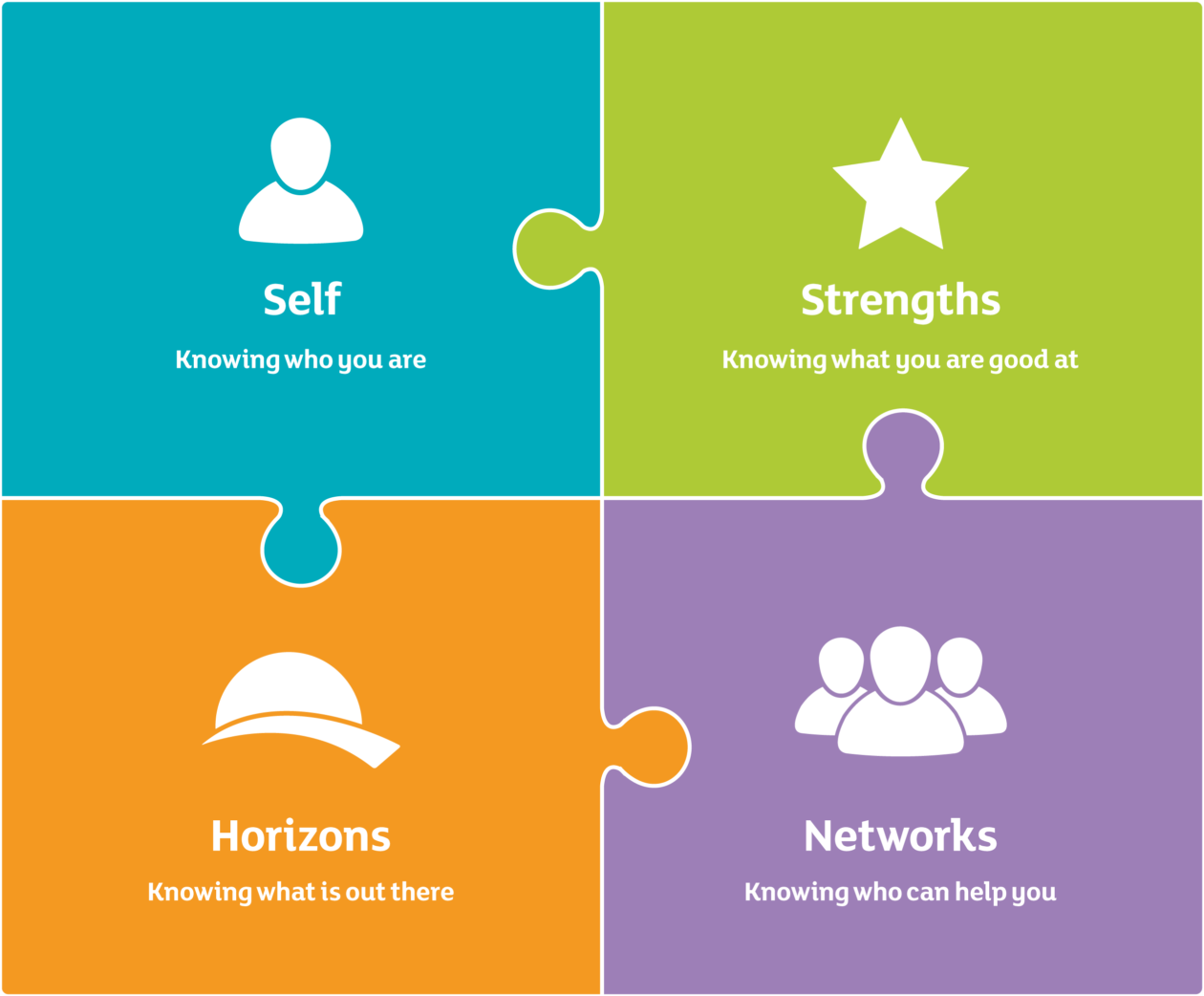
Career Management Skills AHS Careers
What Does Leadership Mean? Hiring Managers Reveal the Qualities They